
WORK VEHICLES
Commercial Utility Golf Carts: Flatbeds, Cargo Boxes & Maintenance Fleet Guide
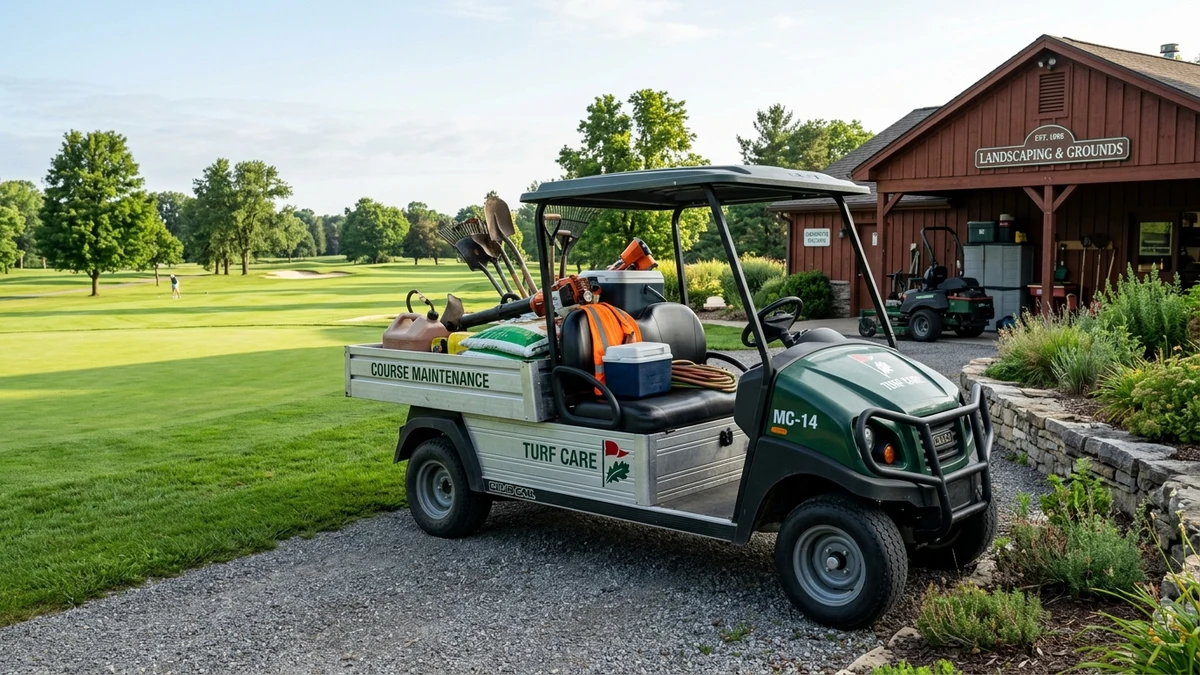
While passenger shuttles dominate front-of-house guest operations, the operational backbone of any resort, golf club, university campus, or industrial logistics facility is its back-of-house utility fleet. Housekeeping teams, groundskeeping crews, HVAC technicians, and overnight security personnel require rugged, low-maintenance work vehicles capable of hauling heavy cargo, tools, linens, and trash across pedestrian-dense pathways where full-sized pickup trucks cannot fit. Deploying lightweight consumer golf carts into heavy commercial maintenance duty frequently results in cracked plastic bodies, premature motor burnout, and collapsed rear suspensions. In this procurement guide, Waygo details the mechanical specifications, payload capacities, cargo bed configurations, and duty-cycle requirements essential for building a reliable commercial electric utility vehicle fleet.
Utility Cart vs. Passenger Cart: Engineering Differences
A commercial utility golf cart is engineered for payload endurance rather than casual passenger leisure. Subjecting a passenger cart to continuous hauling tasks quickly degrades its suspension and electrical components.
To withstand multi-shift industrial service, a dedicated commercial electric utility vehicle integrates four critical structural enhancements:
- Reinforced multi-leaf rear suspension: Heavy-duty multi-stage leaf spring packs paired with hydraulic shock absorbers prevent rear chassis sagging and bottoming out under 800+ lbs of payload.
- High-torque powertrain calibration: 5 kW AC induction motors paired with low-speed transaxle gearing (12.4:1 or 16:1 ratio) generate maximum starting torque for climbing 25% slopes fully loaded.
- Automotive 4-wheel hydraulic disc brakes: Heavy cargo significantly increases stopping momentum; commercial utility carts require disc brakes on all four wheels rather than rear-only drum brakes.
- Electrophoretic anti-corrosion dipping: Chassis frames undergo cathodic electrophoretic dip coating (CED) to resist corrosion from lawn fertilizer, road salts, pool chemicals, and coastal humidity.
Cargo Bed Configurations: Flip-Flop vs. Aluminum Flatbed vs. Van Box
Selecting the optimal cargo bed depends on whether your operation demands multi-passenger flexibility or dedicated cargo volume. Matching the deck material and enclosure style to daily tasks maximizes worker productivity.
Compare the three most prevalent commercial utility cargo configurations:
| Bed Configuration Type | Payload & Volume Capacity | Best Suited Commercial Use Cases |
|---|---|---|
| 2-in-1 Rear Flip-Flop Seat Bed | 400 lbs (180 kg) / 36 in x 41 in composite fold-flat deck | Resort guest transport by day, light baggage or housekeeping linens by evening; maximum dual-use flexibility. |
| Heavy-Duty Aluminum Flatbed | 800–1,000 lbs (360–450 kg) / 42 in x 46 in open bed | Groundskeeping, turf care, soil bags, fertilizer spreaders, and heavy toolboxes requiring open forklift access. |
| Lockable Enclosed Van Box / Canopy | 600 lbs (270 kg) / Weatherproof sliding/gullwing doors | HVAC maintenance tools, electrical testing gear, hotel guest laundry, room service, and secure package delivery. |
Specialized Commercial Application Setups
Different facility departments encounter distinct operational environments. Waygo provides custom equipment integration through our U.S. dealer and fleet team to tailor each utility cart to department-specific workflows:
- Resort Housekeeping & Laundry Fleets: Outfitted with multi-tiered aluminum shelving units, weather-resistant vinyl roll-up curtains, and front lockable dry-storage compartments for guest amenities.
- Golf Course & Groundskeeping Maintenance: Configured with front steel brush guards, tow hitch receivers (1,500 lbs towing capacity), side stake pockets, and wide flotation turf tires that protect delicate grass.
- HVAC & Electrical Facility Maintenance: Equipped with ladder racks, rear vise mounts, internal tool drawer dividers, and on-board DC-to-AC power inverters to run corded power tools directly from the cart's battery.
- Campus & Industrial Security Patrol Vehicles: Fitted with overhead amber or blue LED warning lightbars, 100-watt sirens with public address (PA) microphones, high-intensity LED searchlights, and lockable first-aid storage.
Explore related models and commercial options: 2-seat commercial utility model, Wholesale electric golf carts for sale, Authorized U.S. dealer network
Electric Utility Cart TCO & Sourcing Advice for Fleet Directors
Replacing aging gas-powered utility trucks with modern electric utility golf carts delivers dramatic total-cost-of-ownership (TCO) savings. Operating an electric utility vehicle costs approximately $0.03 to $0.05 per operating mile in electricity, compared to $0.25 to $0.40 per mile in fuel and oil for internal combustion engines.
Furthermore, electric utility vehicles eliminate noisy morning engine rumbling outside resort guest rooms, generate zero tailpipe emissions in enclosed service tunnels, and require zero oil filter or spark plug maintenance. Powered by 51.2V LiFePO4 batteries with 3,500+ charge cycles, a Waygo commercial utility cart operates reliably across multi-shift schedules with simple opportunistic charging.
Get in touch with our commercial fleet team: Applications overview, Commercial products range, Request a utility fleet quote